
Spider Mites in Vineyard: Actionable Thresholds and Management for Managers
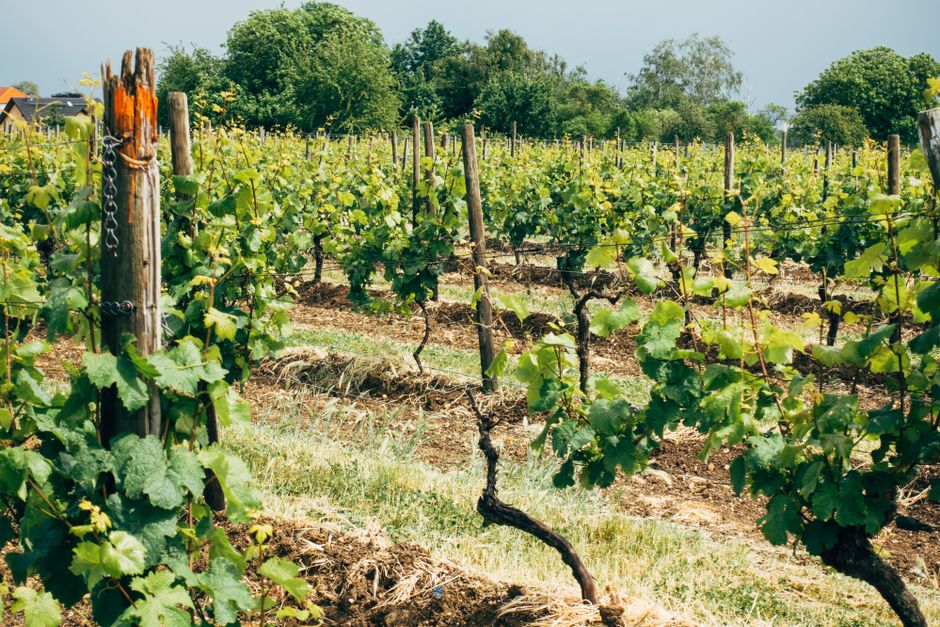
The Cost of Overlooking Spider Mites in Vineyards
For experienced vineyard managers, the threat of spider mites (primarily Pacific spider mite, Tetranychus pacificus, and two-spotted spider mite, Tetranychus urticae) is a perennial concern. Unchecked populations can lead to significant economic losses through premature defoliation, reduced photosynthesis, impaired fruit ripening, and compromised wine quality. Ignoring early signs can escalate into widespread infestations, requiring costly reactive treatments and potentially impacting the vintage's profitability.
Scouting Protocols and Action Thresholds
Effective management hinges on consistent, accurate scouting and adherence to established action thresholds. Proactive monitoring helps distinguish between nuisance populations and those requiring intervention.
Step-by-Step Scouting Process
- Timing: Initiate scouting post-bloom, typically from late May through veraison. Mite populations tend to peak during hot, dry periods.
- Sampling Strategy: Select 50-100 leaves per vineyard block (e.g. 10 leaves from 5-10 randomly chosen vines). Focus on leaves from the basal and mid-canopy, as mites often start here.
- Inspection Method: Use a 10x-20x hand lens. Inspect both the upper and lower surfaces of each leaf for mites, eggs, and webbing. Alternatively, the 'beat sheet' method (tapping leaves over a white surface) can be effective for rapid assessment.
- Record Keeping: Document mite counts per leaf and the percentage of infested leaves. Utilize vineyard management software like VinoBloc to track historical data, identify hotspots, and monitor treatment efficacy over time.
Action Thresholds for Decision Making
The decision to act is often based on the average number of mites per leaf, considering the vine's phenological stage and presence of natural enemies.
| Phenological Stage | Mites Per Leaf (Average) | Action Recommendation |
|---|---|---|
| Post-Bloom to Pre-Veraison | 5-10 mites/leaf | Consider intervention, especially if predatory mites are scarce. |
| Veraison to Harvest | 2-5 mites/leaf | Lower tolerance. Act promptly due to direct impact on fruit quality. |
| Any stage with visible webbing/defoliation | High, often >15 mites/leaf | Immediate action required. Significant damage occurring. |
"Timely scouting is the vineyard manager's first line of defense. Knowing when to worry means understanding the precise thresholds for your specific region and varietals."
Example Scenario (Hypothetical)
A vineyard block of Cabernet Sauvignon at pre-veraison shows an average of 7 mites per leaf during a routine weekly scout. Predatory mites (e.g. Galendromus occidentalis) are present but in low numbers (ratio of 1:20 predatory mites to pest mites). Given the phenological stage and the relatively high mite count, this situation warrants immediate action to prevent irreversible damage to fruit quality and potential defoliation.
When to Act: Treatment Strategies
Once thresholds are met, selecting the appropriate treatment is critical. Integrated Pest Management (IPM) principles should guide decisions.
Treatment Options and Considerations
- Biological Control: Introduce or conserve predatory mites. Release rates can range from 2,000-5,000 predatory mites per acre, typically applied in early to mid-season before pest populations explode.
- Cultural Practices: Manage dust, which can exacerbate mite problems by hindering natural enemies. Consider cover cropping or road maintenance. Ensure proper irrigation to reduce vine stress.
- Chemical Control (Miticide Application):
- Selection: Rotate miticide modes of action (MOA) to prevent resistance. Consult local university extension guides for recommended products (e.g. active ingredients like bifenazate, spiromesifen, or abamectin) and their efficacy against specific mite species.
- Timing: Apply miticides when pest mites are most vulnerable (e.g. early nymphal stages). Ensure thorough coverage, particularly on the undersides of leaves.
- Safety: Always wear appropriate Personal Protective Equipment (PPE) as specified on the product label. Adhere to re-entry intervals (REI) and pre-harvest intervals (PHI).
Common Mistakes and Consequences
- Sole Reliance on a Single Miticide: Rapid development of resistance, leading to ineffective treatments and higher long-term costs.
- Ignoring Scouting Data: Treating too late or unnecessarily, wasting resources and potentially harming beneficials.
- Poor Coverage: Inadequate spray application misses mites on the undersides of leaves, leading to rebound infestations.
Actionable Next Steps for Vineyard Managers
To proactively manage spider mites and minimize their impact, implement the following actions immediately:
- Establish a Weekly Scouting Schedule: Assign dedicated personnel to conduct systematic mite scouting from post-bloom through veraison. Ensure all data is accurately recorded, ideally within a digital platform like VinoBloc, to identify trends and inform decisions. Timeline: Implement within 1 week.
- Review and Update Miticide Rotation Plan: Consult with an agricultural advisor to create a multi-season miticide rotation schedule incorporating different modes of action. This strategy is crucial for resistance management. Timeline: Complete review within 2 weeks.
- Evaluate Dust Management Practices: Assess vineyard roads and high-traffic areas for dust generation. Implement dust suppression techniques (e.g. watering, gravel application, or cover crops) to foster beneficial mite populations. Timeline: Begin assessment within 1 week.
- Educate Field Crews: Conduct a brief training session for all vineyard staff on recognizing early signs of spider mite infestations and the importance of reporting observations during routine vineyard work. Timeline: Conduct training within 2 weeks.
Success Metrics: Reduced incidence of mite-induced defoliation, consistent mite populations below established action thresholds, and minimized reliance on rescue treatments.
VinoBloc Team
Vineyard Management Experts
Ready to Transform Your Vineyard Management?
See how VinoBloc can help you streamline block-level data and harvest decisions.
