The Complete Guide to Organic Vineyard Management: Certification, Pest Control, & Sustainability
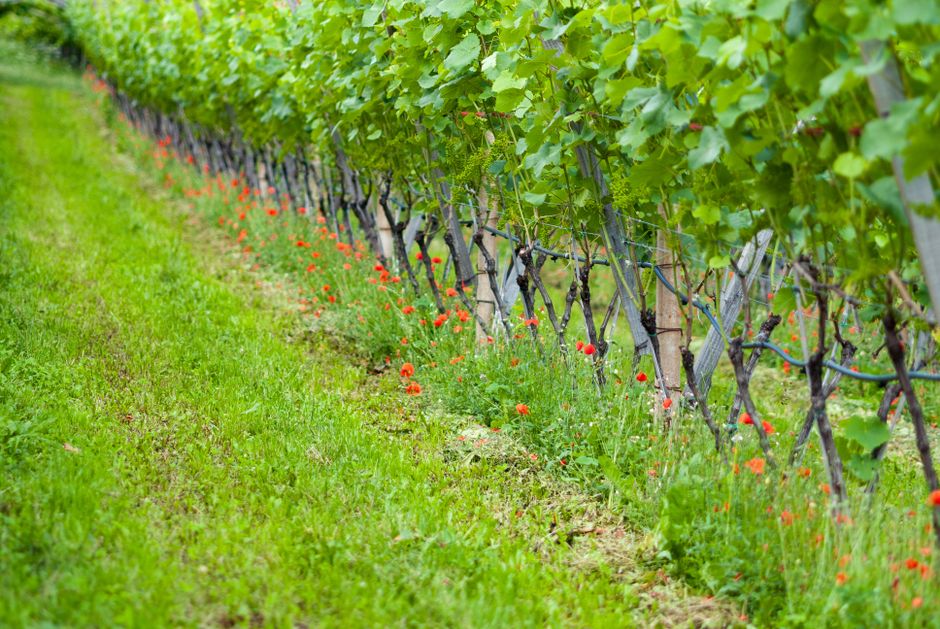
Organic viticulture is evolving from a niche practice into a mainstream imperative for many vineyards seeking to enhance sustainability, improve wine quality, and meet growing consumer demand for environmentally conscious products. This comprehensive guide provides an exhaustive exploration of organic vineyard management, offering practical insights, actionable steps, and critical considerations for both established vineyards and those contemplating the transition.
Executive Summary
This definitive guide to organic vineyard management is designed for vineyard owners, managers, viticulturists, and aspiring organic grape growers who are committed to sustainable practices and are seeking a detailed roadmap for transitioning to or optimizing an organic system. It addresses the complexities and rewards of cultivating grapes without synthetic pesticides, herbicides, or fertilizers, aligning vineyard operations with ecological principles and market demands.
The core problem this guide solves is the lack of a single, authoritative resource that comprehensively covers the multifaceted aspects of organic viticulture, from regulatory compliance to field-level implementation and financial analysis. Vineyard professionals often struggle to navigate the certification process, identify effective organic pest and disease controls, and understand the long-term economic implications of such a significant operational shift.
Upon completing this guide, readers will gain a deep understanding of:
- The complete organic certification process, including key standards and regional variations.
- Proven organic strategies for managing pests and diseases, minimizing crop loss, and enhancing vine resilience.
- The critical role of cover crops and biodiversity in building healthy soil ecosystems and vineyard sustainability.
- Guidelines for selecting and applying approved organic inputs for optimal vine nutrition and soil health.
- A detailed, step-by-step framework for successfully transitioning a conventional vineyard to organic status.
- A thorough cost-benefit analysis, including potential returns on investment, associated with organic vineyard management.
Estimated Reading Time: Approximately 45-60 minutes.
Table of Contents
- Executive Summary
- What is Organic Vineyard Management and Why Should Vineyards Adopt It?
- How Do Vineyards Achieve and Maintain Organic Certification?
- What Are Effective Organic Strategies for Pest and Disease Management?
- How Do Cover Crops and Biodiversity Enhance Organic Vineyard Health?
- What Approved Inputs and Nutrient Management Practices are Used in Organic Viticulture?
- What is the Step-by-Step Transition Process to Organic Vineyard Management?
- What are the Costs, Benefits, and ROI of Organic Vineyard Management?
- Tools & Resources for Organic Vineyard Management
- Key Takeaways
What is Organic Vineyard Management and Why Should Vineyards Adopt It?
Organic vineyard management is a holistic approach to viticulture that prioritizes ecological balance, biodiversity, and soil health by prohibiting the use of synthetic pesticides, herbicides, fungicides, chemical fertilizers, and genetically modified organisms (GMOs). Instead, it relies on natural processes, mechanical cultivation, biological controls, and approved organic inputs to cultivate healthy vines and produce high-quality grapes. The philosophical underpinnings of organic viticulture emphasize working with nature rather than against it, fostering a resilient vineyard ecosystem.
The adoption of organic practices is driven by several compelling factors. Firstly, there is a significant and growing consumer demand for organic products, including wine. Market research consistently indicates that consumers are willing to pay a premium for organic wines, driven by perceptions of health benefits, environmental responsibility, and often, superior quality. For instance, data from the Organic Trade Association consistently shows double-digit growth in organic food and beverage sales, a trend that extends to the wine sector.
Secondly, environmental stewardship is a primary motivator. Organic vineyards contribute to improved soil structure, enhanced water retention, reduced soil erosion, and increased biodiversity. By avoiding synthetic chemicals, organic viticulture protects beneficial insects, pollinators, and microbial life in the soil, leading to a more robust and self-regulating ecosystem. Research from institutions like the University of California, Davis, has demonstrated that organic farming practices can significantly increase soil organic matter, which directly correlates with carbon sequestration and improved soil fertility.
Thirdly, worker safety and vineyard health are enhanced. Eliminating exposure to harmful synthetic chemicals creates a safer working environment for vineyard staff. Furthermore, proponents argue that organic practices lead to more resilient vines, better adapted to their specific terroir, and capable of producing grapes with more distinctive character. Regional considerations play a crucial role; for example, vineyards in regions with high rainfall and humidity, such as parts of Europe, face greater disease pressure, making the implementation of effective organic disease management strategies particularly challenging yet rewarding when successful.
Common Mistakes: Underestimating the Commitment
A common error is underestimating the comprehensive commitment required for organic transition. It is not merely about substituting inputs but fundamentally re-evaluating vineyard practices, from canopy management to soil cultivation. Without a holistic understanding and dedicated effort, vineyards may struggle with initial challenges, particularly related to pest and disease pressure.
How Do Vineyards Achieve and Maintain Organic Certification?
Achieving organic certification is a rigorous, multi-year process that validates a vineyard's adherence to specific national or international organic standards. The process typically involves a minimum 36-month transition period during which no prohibited synthetic substances are applied to the land. During this period, the vineyard must implement organic management practices, even though the grapes cannot yet be sold as certified organic.
The first step is to select an accredited organic certifying agent (e.g. USDA-accredited certifiers in the US, or various national bodies in the EU). The vineyard then develops an Organic System Plan (OSP), a detailed document outlining all farming practices, inputs, record-keeping procedures, and steps taken to prevent commingling with conventional products. This OSP is the cornerstone of the certification process, demonstrating full compliance with organic regulations.
Following the OSP submission, the certifying agent conducts an initial on-site inspection to verify that practices align with the plan and organic standards. This audit typically involves reviewing records, inspecting fields, storage areas, and equipment, and interviewing staff. If approved, the vineyard receives organic certification. Annual inspections are then mandatory to maintain certification, ensuring ongoing compliance. Records must be meticulously maintained for a minimum of five years, detailing everything from input purchases and application dates to harvest yields and sales.
Regional considerations are vital. In the United States, vineyards adhere to the USDA National Organic Program (NOP) standards. In the European Union, the EU Organic Regulation (EC) No 834/2007 and its implementing rules govern organic production. While principles are similar, specific allowed substances, labeling requirements, and maximum application rates (e.g. for copper) can differ. For example, EU organic standards permit up to 28 kg/ha of elemental copper over a five-year average, a stricter limit than some other regions.
Table: Key Differences in Organic Certification (US vs. EU)
| Feature | USDA National Organic Program (NOP) | EU Organic Regulation |
|---|---|---|
| Governing Body | USDA Agricultural Marketing Service | European Commission (DG AGRI) |
| Transition Period | 36 months (no prohibited substances) | 36 months (no prohibited substances) |
| Labeling (Wine) | "Organic" (100% organic grapes, no added sulfites), "Made with Organic Grapes" (min. 70% organic, sulfites allowed) | "Organic Wine" (100% organic grapes, specific sulfite limits) |
| Sulfite Limits (Wine) | <10 ppm (if labeled "Organic"), up to 100 ppm (if labeled "Made with Organic Grapes") | Max 100 mg/L (red), 150 mg/L (white/rosé) for organic wine |
| Copper Limit (Viticulture) | No specific annual limit, but must be justified and minimize environmental impact. | Max 28 kg/ha elemental copper over 5 years (average 5.6 kg/ha/year) |
| Accreditation | USDA-accredited certifiers | Accredited control bodies (national authorities) |
Common Mistakes: Inadequate Record-Keeping
A frequent pitfall is insufficient or inaccurate record-keeping. Certifying agents require meticulous documentation of all inputs, field activities, harvest data, and sales. Failure to maintain comprehensive records can lead to delays in certification or even revocation. Implement a robust record-keeping system from the outset.
What Are Effective Organic Strategies for Pest and Disease Management?
Effective organic pest and disease management relies on a multi-faceted approach, integrating cultural practices, biological controls, and approved organic treatments. The goal is to prevent outbreaks and foster a resilient vineyard ecosystem rather than reactively treating problems. This paradigm shift requires diligent observation and proactive intervention.
Cultural Practices:
- Canopy Management: Proper shoot thinning, leaf removal, and hedging are crucial for improving air circulation within the canopy, reducing humidity, and increasing sunlight penetration. This creates an unfavorable environment for fungal diseases like powdery mildew (Erysiphe necator) and downy mildew (Plasmopara viticola). Aim for an open canopy structure that allows a minimum of 60% light penetration into the fruiting zone.
- Site Selection and Variety Choice: Selecting disease-resistant grape varieties and rootstocks, and planting in sites with good air drainage and sun exposure, can significantly reduce disease pressure.
- Sanitation: Removing infected plant material during pruning and after harvest helps reduce overwintering inoculum.
Biological Controls:
- Beneficial Insects: Encouraging predatory insects (e.g. lady beetles, lacewings, parasitic wasps) through habitat provision (cover crops, hedgerows) helps control pests like grape leafhoppers and mites. Introducing commercial beneficial insects can also be an option for specific outbreaks.
- Pheromone Disruption: For pests like the European grapevine moth (Lobesia botrana) or grape berry moth (Paralobesia viteana), deploying pheromone dispensers can disrupt mating cycles, reducing pest populations. This method is highly specific and environmentally benign.
Organic Treatments:
- Sulfur: Elemental sulfur is widely used for powdery mildew control. Application rates typically range from 5-10 lbs/acre (5.6-11.2 kg/ha), starting pre-bloom (e.g. when shoots are 6-12 inches) and continuing at 7-14 day intervals, especially during periods of rapid growth and high disease pressure (temperatures between 68-80°F or 20-27°C).
- Copper: Bordeaux mixture or copper hydroxide is effective against downy mildew. Application rates are typically 2-4 lbs/acre (2.2-4.5 kg/ha) of elemental copper, applied preventatively, especially after significant rainfall events. Due to potential soil accumulation, EU regulations cap total elemental copper at 28 kg/ha over five years.
- Biological Fungicides/Insecticides: Products based on Bacillus subtilis (for powdery mildew, botrytis), neem oil (insecticide, fungicide), or pyrethrins (insecticide) are approved for organic use. Application timings are critical; for example, Bacillus subtilis sprays are often applied during bloom and pre-bunch closure for Botrytis control.
Table: Common Organic Pest & Disease Control Methods
| Pest/Disease | Organic Control Method | Typical Timing/Frequency | Notes |
|---|---|---|---|
| Powdery Mildew | Elemental Sulfur (dust/spray), Bacillus subtilis, Cultural Practices | Pre-bloom to veraison, 7-14 day intervals | Avoid high temperatures (>90°F / 32°C) with sulfur to prevent phytotoxicity. |
| Downy Mildew | Copper-based fungicides (Bordeaux, copper hydroxide), Cultural Practices | Post-bud break to bunch closure, especially after rain | Adhere to regional copper limits. Good coverage is essential. |
| Botrytis Bunch Rot | Bacillus subtilis, Canopy Management, Sanitation | Pre-bloom, bunch closure, veraison | Reduce humidity in the fruiting zone. |
| Grape Leafhopper | Beneficial insects (Anagrus epos), Pyrethrins (spot treatment) | Early season, monitoring for thresholds | Encourage natural predators with diverse cover crops. |
| Grape Berry Moth | Pheromone disruption, Bacillus thuringiensis (BT) | Prior to first generation egg hatch, repeat for subsequent generations | BT is specific to caterpillars; apply when larvae are feeding. |
Common Mistakes: Reactive Spraying and Poor Timing
A common error is waiting until disease or pest pressure is severe before acting. Organic management is largely preventative. Regular scouting (e.g. weekly during growing season) and timely application of treatments based on disease models or pest thresholds are critical. If coverage is uneven, check for clogged nozzles or improper sprayer calibration. If disease persists despite treatment, re-evaluate application timing, product efficacy, and cultural practices.
How Do Cover Crops and Biodiversity Enhance Organic Vineyard Health?
Cover crops and enhanced biodiversity are foundational pillars of organic vineyard management, contributing significantly to soil health, pest control, and overall ecosystem resilience. They move beyond simple weed suppression to actively build a healthier, more sustainable vineyard environment.
Benefits of Cover Crops:
- Soil Structure and Organic Matter: Cover crops, particularly grasses and cereals like annual rye or oats, contribute substantial biomass to the soil when tilled under or mowed. This organic matter improves soil aggregation, water infiltration, and aeration, reducing compaction. Studies show that continuous cover cropping can increase soil organic carbon over time, with rates varying significantly based on climate, soil type, and management practices.
- Nutrient Cycling: Leguminous cover crops such as crimson clover, vetch, or faba beans fix atmospheric nitrogen, making it available to the vines. A dense stand of clover can fix between 50-150 lbs of nitrogen per acre (56-168 kg/ha) per year, significantly reducing the need for external nitrogen inputs.
- Erosion Control: A dense root system from cover crops anchors the soil, preventing erosion from wind and rain, especially on sloped sites. This is particularly important in regions prone to heavy rainfall.
- Weed Suppression: Tall, dense cover crops can outcompete annual weeds for light, water, and nutrients, reducing the need for mechanical cultivation or hand weeding. Allelopathic cover crops, such as cereal rye, release natural compounds that inhibit weed seed germination.
- Water Management: Cover crops can either conserve or consume water, depending on management. In dry climates, they might be terminated early to reduce competition for water. In wetter climates, they can help dry out soils, improving access and reducing disease pressure.
Enhancing Biodiversity:
- Beneficial Insect Habitat: Flowering cover crops (e.g. buckwheat, phacelia, clovers) provide nectar and pollen for beneficial insects like predatory wasps, lady beetles, and hoverflies, which prey on vineyard pests. Establishing insectary strips or hedgerows around vineyard blocks further enhances this habitat.
- Pollinator Support: A diverse range of flowering plants supports native pollinators, contributing to broader ecosystem health.
- Soil Microbiome: Diverse plant root exudates feed a wider array of soil microorganisms, leading to a more robust and disease-suppressive soil microbiome.
- Vertebrate Pest Management: Encouraging predatory birds (e.g. owls, hawks) by installing raptor perches can help manage rodent populations.
Step-by-Step Cover Crop Selection and Planting:
- Assess Vineyard Needs: Determine primary goals (N fixation, weed suppression, organic matter, erosion control, beneficial insect habitat).
- Soil Analysis: Conduct soil tests to understand nutrient levels and soil type, informing species selection.
- Climate and Regional Considerations: Choose species adapted to local rainfall, temperature, and growing season. For instance, winter-hardy cereals and legumes are common in temperate zones, while drought-tolerant species are preferred in arid regions.
- Species Selection: Choose single species or mixes. Common mixes include a legume (e.g. vetch at 30-40 lbs/acre) with a cereal grass (e.g. rye at 60-80 lbs/acre).
- Planting: Seed in late fall (after harvest) or early spring, typically using a no-till drill or broadcast spreader. Ensure good seed-to-soil contact for optimal germination.
- Management: Decide on termination method (mowing, crimping, light tillage) and timing. For nitrogen release, terminate legumes at flowering. For maximum organic matter, terminate grasses later.
Common Mistakes: Monoculture Cover Crops and Improper Termination
Relying on a single cover crop species can limit benefits; diverse mixes generally offer broader advantages. Another error is improper termination: mowing too early reduces biomass and nitrogen fixation, while mowing too late can lead to excessive water competition or undesirable reseeding. Adjust termination timing based on vine water status and cover crop goals.
What Approved Inputs and Nutrient Management Practices are Used in Organic Viticulture?
Organic nutrient management focuses on fostering a living soil that naturally provides nutrients to the vines, rather than relying on synthetic, soluble fertilizers. This approach builds long-term soil fertility, improves nutrient cycling, and reduces environmental impact. All inputs must be approved by the certifying body and listed in the vineyard's Organic System Plan (OSP).
Key Organic Inputs for Nutrient Management:
- Compost: A cornerstone of organic fertility, compost (derived from plant and animal materials) provides a slow-release source of macro- and micronutrients, improves soil structure, and enhances microbial activity. Application rates typically range from 5-10 tons per acre (11-22 metric tons/ha) every 1-3 years, depending on soil tests and vine vigor. It is crucial to use compost that meets organic standards, ensuring it is free from synthetic contaminants and has undergone proper thermophilic composting to eliminate pathogens and weed seeds.
- Aged Manure: Similar to compost, aged manure (e.g. from cattle, chickens) provides nutrients and organic matter. It must be composted or aged for a minimum of 90-120 days prior to application to prevent pathogen transfer and nutrient burn, especially if applied to edible portions of the crop. Raw manure is generally prohibited within 90-120 days of harvest.
- Rock Dusts and Minerals: Naturally occurring mineral sources, such as rock phosphate (for phosphorus), greensand (for potassium and micronutrients), and gypsum (for calcium and sulfur, and improving soil structure), are permitted. These are slow-release and improve soil chemistry over time. Application rates depend on soil test recommendations; for example, rock phosphate might be applied at 500-1000 lbs/acre (560-1120 kg/ha) every few years.
- Organic Fertilizers: Approved processed organic fertilizers (e.g. fish emulsion, bone meal, blood meal, alfalfa meal) can provide targeted nutrient boosts. These are used sparingly and strategically based on specific vine needs, often applied via fertigation or foliar sprays. For instance, fish emulsion (typically 5-1-1 NPK) can be applied at 1-2 gallons/acre (9.4-18.7 L/ha) to support early season growth.
Weed Management: Organic vineyards prohibit synthetic herbicides. Weed control relies on a combination of cultural and mechanical methods:
- Cover Cropping: As discussed, cover crops suppress weeds.
- Mechanical Cultivation: Undervine cultivators, diskers, hoes, and weed-badgers are used to manage weeds within the vine rows. Timing is crucial to avoid damaging vine roots and to kill weeds before they set seed.
- Hand Weeding: Often necessary for persistent weeds or in sensitive areas.
- Mulching: Applying organic mulches (straw, wood chips) around vine bases can suppress weeds, conserve moisture, and contribute organic matter.
Water Management: Efficient water use is critical. Drip irrigation systems are preferred for their precision, delivering water directly to the vine roots and minimizing water loss to evaporation or weeds. Soil moisture sensors and weather data are used to schedule irrigation precisely, avoiding over- or under-watering. Typical irrigation might deliver 0.5-1.5 gallons (1.9-5.7 liters) per vine, 2-3 times per week during peak demand, adjusted based on evapotranspiration rates and soil moisture readings.
Table: Approved Organic Inputs vs. Prohibited Substances
| Category | Approved Organic Inputs | Prohibited Substances |
|---|---|---|
| Fertilizers | Compost, aged manure, rock phosphate, greensand, bone meal, fish emulsion, alfalfa meal | Synthetic nitrogen fertilizers (e.g. urea, ammonium nitrate), superphosphates, potassium chloride |
| Pesticides/Fungicides | Sulfur, copper, neem oil, pyrethrins, Bacillus thuringiensis, Bacillus subtilis, pheromone traps | Synthetic insecticides (e.g. organophosphates, carbamates), synthetic fungicides (e.g. strobilurins, triazoles), synthetic herbicides (e.g. glyphosate, paraquat) |
| Weed Control | Mechanical cultivation, hand weeding, mulching, cover crops | Synthetic herbicides |
| Soil Amendments | Gypsum, lime (calcium carbonate), humates, compost tea | Sewage sludge (biosolids), synthetic soil conditioners |
| GMOs | Prohibited | Any genetically modified organisms (seeds, rootstocks, etc.) |
Common Mistakes: Over-application of Compost and Ignoring Soil Tests
While beneficial, excessive compost application can lead to nutrient imbalances, particularly phosphorus buildup, and excessive vine vigor. Regular soil testing (e.g. every 2-3 years) is crucial to accurately assess nutrient levels and tailor input strategies. If vines show signs of nutrient deficiency, conduct a petiole analysis to confirm before applying broad-spectrum amendments; this ensures targeted intervention.
What is the Step-by-Step Transition Process to Organic Vineyard Management?
The transition to organic vineyard management is a strategic, multi-year undertaking that requires meticulous planning, consistent execution, and thorough documentation. It typically involves a minimum 36-month period during which the land must be managed according to organic standards before grapes can be certified organic.
Phase 1: Planning and Baseline (Pre-Transition to Year 1)
- Feasibility Assessment: Conduct a comprehensive evaluation of current vineyard practices, soil health, pest and disease history, and available resources. Identify high-risk areas for disease or pests under organic management. Assess market demand for organic grapes/wine in the region.
- Staff Training and Buy-in: Educate and train vineyard staff on organic principles and practices. Their understanding and commitment are paramount for successful implementation.
- Soil Analysis: Establish baseline soil nutrient levels and organic matter content. This informs future fertility plans. Consider a detailed soil health assessment including microbial activity.
- Develop a Transition Plan: Outline specific changes to be implemented, including alternative pest/disease controls, cover crop strategies, and nutrient management. Identify approved inputs and suppliers.
- Select a Certifying Agent: Research and choose an accredited organic certifying body that operates in your region.
Phase 2: Implementation and Documentation (Year 1 to Year 3)
- Eliminate Prohibited Substances: Cease all use of synthetic pesticides, herbicides, fungicides, and fertilizers. This marks the start of the 36-month transition period.
- Implement Organic Practices: Begin applying approved organic inputs, planting cover crops, introducing beneficial insect habitats, and refining cultural practices (e.g. canopy management, mechanical weeding).
- Meticulous Record-Keeping: Maintain detailed records of all vineyard activities: input purchases (with organic certification of inputs), application dates and rates, field observations (pest/disease pressure), harvest data, and staff training. This documentation is crucial for certification audits. Vinobloc software can be invaluable here for tracking and reporting.
- Annual Inspections (Optional during transition, but recommended): While not strictly required until applying for certification, some vineyards opt for pre-certification audits to identify and rectify any non-compliance issues early.
- Continuous Monitoring and Adjustment: Regularly scout vineyards for pests and diseases. Monitor soil health, vine vigor, and water status. Be prepared to adapt strategies based on observations and regional climatic conditions. For example, in a year with exceptionally high rainfall, more frequent copper applications for downy mildew might be necessary, within regulatory limits.
Phase 3: Certification and Ongoing Compliance (Post-Year 3)
- Application for Certification: After the 36-month transition period, submit a formal application to the chosen certifying agent, including the updated OSP and all required records.
- On-site Audit: The certifier conducts a comprehensive on-site inspection to verify full compliance with organic standards.
- Certification Decision: Upon successful audit, the vineyard receives its organic certification.
- Annual Renewal: Maintain certification through annual inspections and continuous adherence to the OSP and organic standards. Regularly update the OSP as practices evolve or new products are introduced.
Common Mistakes: Insufficient Planning and Lack of Staff Buy-in
A significant mistake is rushing the planning phase or failing to adequately train and involve vineyard staff. Without a clear, well-communicated plan and the full support of the team, the transition can be fraught with difficulties. If initial pest or disease challenges arise, avoid reverting to prohibited substances; instead, consult with organic viticulture experts or your certifier for approved solutions and adaptive strategies.
What are the Costs, Benefits, and ROI of Organic Vineyard Management?
Understanding the financial implications of organic vineyard management is crucial for a successful transition. While initial costs can be higher, the long-term benefits often lead to a positive return on investment (ROI) through various avenues.
Costs Associated with Organic Vineyard Management:
- Certification Fees: Annual fees for organic certification typically range from $700 to $2,000, depending on vineyard size and certifier, plus initial application fees.
- Labor: Organic vineyards often require increased labor for mechanical weeding, hand hoeing, canopy management, and more frequent scouting for pests and diseases. Estimates suggest a 10-30% increase in labor hours compared to conventional vineyards, particularly in the first few years.
- Inputs: While synthetic inputs are eliminated, organic alternatives like compost, rock dusts, and approved biological sprays can sometimes be more expensive per unit, though overall input costs might balance out due to reduced reliance on chemical fertilizers and pesticides. For example, compost might cost $30-60 per ton, delivered and spread.
- Equipment: Investment in specialized equipment for mechanical weeding (e.g. undervine cultivators, finger weeders) may be necessary, ranging from $5,000 to $30,000 for specialized implements.
- Yield Fluctuations: During the transition period and occasionally in the early years of full organic management, yields might temporarily decrease by 5-15% as the ecosystem adjusts and vines adapt to new management regimes.
Benefits and Return on Investment (ROI):
- Premium Pricing: Certified organic grapes and wines often command a price premium. Studies and market data show that organic wines can sell for 10-25% higher than their conventional counterparts, depending on brand and market. This premium is a significant driver of ROI.
- Market Access and Brand Reputation: Organic certification opens doors to new markets and distribution channels, appealing to a growing segment of environmentally conscious consumers. It enhances brand reputation and aligns the vineyard with sustainability values, which can be a powerful marketing tool.
- Improved Soil Health and Vine Resilience: Over time, organic practices build healthier soils with higher organic matter and microbial diversity. This leads to more resilient vines that are better able to withstand environmental stresses (drought, disease) and produce consistent quality grapes, potentially reducing long-term input needs.
- Environmental Stewardship: Reduced chemical runoff, enhanced biodiversity, and carbon sequestration contribute to the vineyard's environmental legacy, which is increasingly valued by consumers and regulatory bodies.
- Reduced Chemical Exposure: A safer working environment for vineyard staff and reduced health risks associated with chemical handling.
- Long-term Sustainability: Organic practices foster a self-sustaining ecosystem, reducing reliance on external, non-renewable resources and making the vineyard operation more robust in the face of future challenges.
Table: Cost-Benefit Analysis Summary for Organic Vineyard Management
| Category | Typical Costs | Typical Benefits |
|---|---|---|
| Initial Investment | Transition planning, staff training, potential new equipment ($5k-$30k) | Enhanced brand value, market differentiation |
| Annual Operating | Certification fees ($700-$2k), increased labor (10-30%), potentially higher organic input costs | Price premiums (10-25%), reduced long-term reliance on external inputs, improved vine health |
| Yields | Potential temporary decrease (5-15%) during transition | Stable or improved yields in the long term, higher quality grapes |
| Environmental | Initial learning curve for new practices | Improved soil health, increased biodiversity, reduced pollution, carbon sequestration |
| Social | Safer working conditions, positive community perception |
The ROI for organic vineyards can be significant, often materializing within 3-5 years post-certification, driven primarily by price premiums and enhanced market access. Vineyards should conduct a detailed financial projection tailored to their specific region, varietals, and market conditions to accurately forecast their potential ROI. For example, a vineyard producing 4 tons/acre of grapes selling at a $2,000/ton premium could generate an additional $8,000/acre in revenue, quickly offsetting increased operational costs.
Common Mistakes: Focusing Only on Costs, Not Leveraging Market Benefits
A mistake is to view organic management solely through the lens of increased costs without fully accounting for the revenue-generating potential of organic certification. Vineyards must actively market their organic status and the associated quality and sustainability benefits to consumers. If initial sales do not reflect anticipated premiums, review marketing strategies, storytelling, and distribution channels to ensure the organic value proposition is effectively communicated.
Tools & Resources for Organic Vineyard Management
Successful organic vineyard management is significantly aided by appropriate tools, technology, and information resources. These can streamline operations, enhance decision-making, and ensure compliance.
Essential Equipment:
- Mechanical Weeders: Undervine cultivators, finger weeders, and rotary hoes are crucial for managing weeds without herbicides. Examples include Clemens Radius SL, Braun Vario, or multiple models from various manufacturers that attach to tractors.
- Sprayers: Air-blast or electrostatic sprayers are vital for efficient and effective application of organic fungicides and insecticides (e.g. sulfur, copper). Electrostatic sprayers offer improved coverage and reduced drift, which is particularly important for contact-based organic materials.
- Compost Spreaders: Specialized spreaders ensure even distribution of compost and other bulky organic amendments.
- Weather Stations & Sensors: On-site weather stations provide real-time data on temperature, humidity, and rainfall, crucial for disease modeling and irrigation scheduling. Soil moisture sensors help optimize water use.
- Pruning Equipment: High-quality hand pruners, loppers, and electronic pruning shears are essential for precise canopy management, which is a key disease prevention strategy.
Vineyard Management Software:
- Vinobloc: This comprehensive vineyard management software is purpose-built to support complex viticulture operations, including organic compliance. Vinobloc allows vineyards to meticulously track all field activities, from planting and pruning to pest and disease scouting, input applications, and harvest data. Its robust record-keeping features are invaluable for generating the audit trails required by organic certifying bodies. Managers can use Vinobloc to plan cover crop rotations, monitor nutrient applications based on soil test results, and manage inventory of approved organic inputs. The software's analytical capabilities provide insights into operational efficiency and help optimize organic practices over time, ensuring adherence to the Organic System Plan (OSP) and facilitating seamless annual certification renewals.
Helpful Templates & Checklists:
- Organic System Plan (OSP) Template: A structured template helps vineyards develop their OSP, ensuring all required sections (e.g. land history, inputs, pest management plan, record-keeping system) are addressed. Many certifiers provide their own templates.
- Organic Input Approval Checklist: A checklist to verify that all inputs (fertilizers, pesticides, soil amendments) are NOP or EU organic compliant and approved by your certifying agent before purchase and application.
- Spray Log Template: A detailed log for recording all spray applications, including product name, active ingredient, application rate, date, time, weather conditions, target pest/disease, and applicator name.
- Soil Test Interpretation Guide: Resources that help vineyard managers understand soil test results and translate them into actionable organic fertility plans.
- Pest & Disease Scouting Checklists: Standardized forms for regular vineyard monitoring, helping to identify issues early and track population trends.
Key Takeaways
Embarking on or optimizing organic vineyard management is a strategic decision that yields significant long-term benefits for the environment, product quality, and market position. Here are the key actionable takeaways:
- Holistic Planning is Paramount: Organic viticulture requires a fundamental shift in mindset from conventional methods. Develop a comprehensive Organic System Plan (OSP) that integrates all aspects of vineyard management, from soil health to pest control, before initiating the transition.
- Meticulous Record-Keeping is Non-Negotiable: Detailed and accurate documentation of all inputs, activities, and observations is critical for achieving and maintaining organic certification. Leverage tools like Vinobloc to simplify this process and ensure audit readiness.
- Prioritize Soil Health and Biodiversity: Healthy soil, supported by cover crops and diverse ecosystems, is the foundation of organic success. Focus on building soil organic matter, nutrient cycling, and fostering beneficial insect populations to enhance vine resilience and reduce external input needs.
- Proactive, Integrated Pest and Disease Management: Organic strategies emphasize prevention through cultural practices (canopy management, sanitation), biological controls, and timely application of approved organic treatments (e.g. sulfur, copper). Regular scouting and monitoring are essential for early intervention.
- Invest in Training and Technology: Equip your team with the knowledge and tools necessary for organic practices. Specialized mechanical weeders, precise sprayers, and vineyard management software like Vinobloc are crucial investments that enhance efficiency and compliance.
- Leverage Market Opportunities: Organic certification is a powerful marketing asset. Actively communicate your commitment to sustainability and the unique qualities of your organic grapes and wines to command premium pricing and expand market access, ensuring a positive ROI.
- Embrace Continuous Learning and Adaptation: Organic systems are dynamic. Be prepared to monitor, evaluate, and adapt your practices based on regional conditions, vine response, and evolving scientific understanding. Consult with experts and certifying bodies when challenges arise.
Related Articles
- Mastering Vineyard Diversification: Easy-to-Grow Grape Varieties for Experienced Managers
- Cover Crops in Vineyard Rows: Maximizing Soil Health with Strategic Implementation
- Vineyard REI Compliance: A Manager's Guide to Crew Re-Entry Protocols
- Vineyard Winter Pruning: A Master Guide for Optimal Yield and Vine Health
- Vineyard Frost: Sprinklers vs. Wind Machines – An Actionable Guide
- Understanding Rootstocks: A Strategic Guide for Small Vineyards
- Black Rot Management: Quick ID and Precision Spray Timing for Vineyards
VinoBloc Team
Vineyard Management Experts
Ready to Transform Your Vineyard Management?
See how VinoBloc can help you streamline block-level data and harvest decisions.