
Vineyard Site Selection: The Critical Soil Check Before You Commit
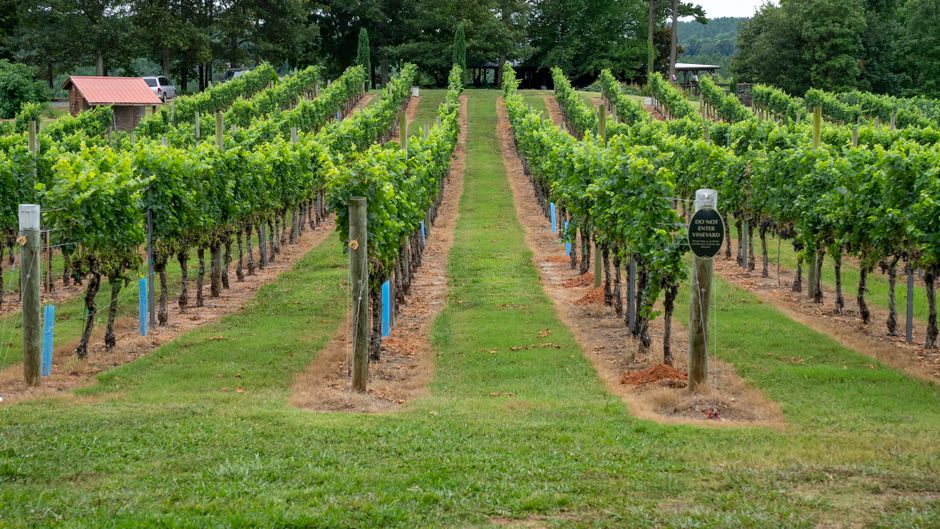
The Hidden Cost of Hasty Commitments
For experienced vineyard managers, the allure of a promising new site can be strong. However, committing to a parcel without a comprehensive understanding of its soil profile is a common, costly mistake. The financial impact of overlooking critical soil characteristics can be immense, leading to years of suboptimal vine health, reduced yields, increased amendment costs, and in severe cases, the need for expensive replanting or even site abandonment. Industry experts estimate that significant soil remediation efforts can add thousands of dollars per acre to establishment costs, not including the opportunity cost of lost production.
Essential Pre-Commitment Soil Analysis: A Step-by-Step Protocol
A comprehensive multi-depth soil analysis is the most critical due diligence step before acquiring or developing a new vineyard site. This protocol ensures you understand the fundamental challenges and opportunities inherent in the soil.
Step 1: Define Sampling Zones
Before sampling, meticulously map out distinct zones within the potential site. This segmentation should be based on observable variations in topography, historical land use, existing vegetation, and any preliminary geological surveys. Aim for sampling zones that are no larger than 5-10 acres, ensuring homogeneity within each zone for accurate representation.
Step 2: Acquire the Right Tools
Accurate sampling requires appropriate equipment. Essential tools include:
- Soil Probe: A robust soil probe capable of reaching depths of at least 36 inches is critical. Examples include an AMS Basic Soil Probe or a similar heavy-duty, stainless-steel probe.
- Clean Buckets: Use non-galvanized plastic buckets for mixing composite samples to avoid contamination.
- Sample Bags: Heavy-duty, clearly labeled plastic bags for submitting samples to the lab.
Step 3: Execute Multi-Depth Sampling
This is the most critical phase. Do not rely solely on topsoil samples. Vineyard roots can penetrate several feet, and subsoil conditions dictate long-term vine performance and water relations.
- Collect Cores: Within each defined zone, collect 15-20 individual soil cores, walking in a random zigzag pattern.
- Depth Segmentation: For each core, segment the sample into three distinct depths:
- 0-6 inches: Represents topsoil, crucial for initial nutrient availability and organic matter.
- 6-18 inches: Primary root zone for many established vines, impacting nutrient uptake and water retention.
- 18-36 inches (or deeper if possible): Subsoil, critical for understanding drainage, potential hardpans, deeper nutrient reserves, and long-term water access.
- Create Composite Samples: For each zone and each depth segment (e.g. Zone A: 0-6", Zone A: 6-18", Zone A: 18-36"), thoroughly mix the 15-20 cores from that specific depth in a clean bucket.
- Submit to Lab: Place approximately 1-2 cups of each composite sample into a labeled bag and send immediately to a certified agricultural lab.
Safety Consideration: Always wear gloves when handling soil samples, especially if the site's history is unknown. Ensure all tools are clean between zones to prevent cross-contamination.
Step 4: Laboratory Analysis Specifications
Specify a comprehensive analysis package from a certified agricultural lab (e.g. A&L Analytical Laboratories, Spectrum Analytic). Request the following tests for each depth segment:
- Standard Fertility Panel: pH, Organic Matter (OM), Phosphorus (P), Potassium (K), Calcium (Ca), Magnesium (Mg), Sodium (Na), Cation Exchange Capacity (CEC).
- Micronutrients: Boron (B), Copper (Cu), Iron (Fe), Manganese (Mn), Zinc (Zn).
- Soil Texture Analysis: Percentages of sand, silt, and clay.
- Soluble Salts: Electrical Conductivity (EC).
| Parameter | Optimal Range (General) | Significance |
|---|---|---|
| pH | 5.5 - 7.0 (varies by cultivar) | Nutrient availability, microbial activity. |
| Organic Matter (OM) | 1.5% - 3.0%+ | Water retention, nutrient cycling, soil structure. |
| Cation Exchange Capacity (CEC) | 10 - 25 meq/100g | Nutrient holding capacity. |
| Texture (Clay) | 15% - 30% (estimate) | Drainage, water holding, nutrient retention. |
Step 5: Interpret Results and Inform Decisions
Carefully review the lab reports for each depth segment in every zone. Look for trends and anomalies. A common mistake is to focus solely on topsoil without understanding the subsoil's implications for long-term vine health and root development.
Example Scenario:
A potential site shows ideal topsoil pH (6.2) and organic matter (2.5%). However, the 18-36 inch subsoil sample reveals a pH of 8.1 and a high percentage of free carbonates. This indicates a significant long-term challenge for nutrient availability (especially iron), requiring extensive and costly acidification efforts or potentially ruling out certain cultivars. Ignoring this subsoil data would lead to chronic chlorosis and poor vine performance years down the line.
Actionable Next Steps for Site Evaluation
Once laboratory results are received, typically within 1-2 weeks, immediate action is required:
- Review and Prioritize: Immediately review all lab reports, identifying any parameters outside optimal ranges for viticulture, particularly in the subsoil.
- Consult an Expert: Engage a viticultural consultant or soil scientist to interpret complex results and discuss potential mitigation strategies or deal-breakers.
- Estimate Remediation Costs: Obtain estimates for necessary soil amendments (e.g. lime, sulfur, gypsum, organic matter) and their application based on lab recommendations.
- Re-evaluate Site Suitability: Based on the comprehensive soil picture and potential costs, make an informed decision regarding the site's suitability for your specific grape varietals and management philosophy. This may involve exploring alternative sites or negotiating acquisition terms.
- Document Findings: Integrate all soil analysis data into your vineyard management system. Software like VinoBloc can help track historical soil data and amendment applications for future reference.
Implementation Timeline: This comprehensive soil check should be completed before any land purchase agreement is finalized or significant capital is invested. Allow 3-4 weeks for sampling, lab processing, and expert consultation.
Success Metric: The ultimate success metric is an informed decision to either proceed with confidence, knowing the challenges and costs, or to walk away from a potentially problematic site, saving substantial long-term financial and operational burdens.
Conclusion
A single, multi-depth soil analysis is not merely a recommendation; it is a fundamental prerequisite for successful vineyard establishment. By investing a small amount of time and resources upfront, vineyard managers can prevent catastrophic errors, ensuring the long-term viability and productivity of their next vineyard venture.
VinoBloc Team
Vineyard Management Experts
Ready to Transform Your Vineyard Management?
See how VinoBloc can help you streamline block-level data and harvest decisions.