
Elevating Quality: How VinoVeritas Estate Achieved 95% Grape Sorting Efficiency
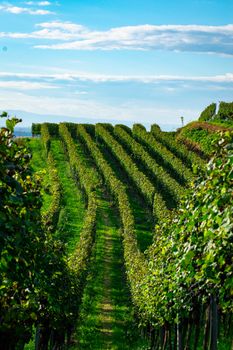
In the competitive world of fine winemaking, quality begins in the vineyard and is meticulously preserved through every stage of production. One of the most critical steps, often underestimated, is grape sorting. It's the gatekeeper that ensures only the finest, healthiest berries make it into the fermenter, directly impacting the final wine's character, purity, and longevity. This case study explores how VinoVeritas Estate, facing challenges with inconsistent fruit quality, transformed their grape sorting process from a modest 60% efficiency to an impressive 95%.
The Challenge at VinoVeritas Estate: A Quality Conundrum
VinoVeritas Estate, a respected winery known for its Cabernet Sauvignon and Merlot, consistently struggled with fluctuating wine quality despite exceptional vineyard management. Their primary sorting method involved a traditional vibrating table followed by extensive manual hand-sorting. While dedicated, their crew found it increasingly difficult to keep up with harvest volumes, leading to significant levels of MOG (Material Other than Grape) – including petioles, leaves, unripe berries, and desiccation – making it into the fermentation tanks. Industry experts estimated their effective sorting efficiency to be around 60%, meaning nearly two-fifths of unwanted material was slipping through.
This inefficiency manifested in several critical ways:
- Inconsistent Fermentations: High MOG levels could introduce unwanted yeast strains or off-flavors, leading to stuck fermentations or volatile acidity.
- Compromised Wine Quality: Green, herbaceous notes from stems, bitter tannins from unripe berries, and earthy characters from leaves often marred the delicate fruit expression.
- Increased Labor Costs: The need for a large, highly trained sorting crew during peak harvest was a significant operational expense.
- Reduced Yield of Usable Fruit: Healthy berries were sometimes discarded along with MOG due to manual sorting fatigue or error.
The Journey to Improvement: A Phased Approach
Recognizing the urgent need for change, VinoVeritas Estate embarked on a multi-phase improvement project, focusing on a blend of advanced technology and refined processes.
Phase 1: Comprehensive Analysis and Goal Setting
The first step involved a thorough audit of their existing process. They meticulously analyzed the types and quantities of MOG found in their tanks, identifying specific challenges like high levels of detached petioles and desiccated berries, particularly in their older blocks. They established a clear goal: achieve a minimum of 95% sorting efficiency, measured by MOG analysis prior to fermentation, aiming for less than 0.5% MOG by weight.
Phase 2: Strategic Equipment Investment – The Technological Leap
VinoVeritas Estate understood that manual sorting alone could not meet their ambitious goals. After extensive research and trials, they invested in a state-of-the-art sorting line. Their new setup included:
- Gentle Destemming: They replaced their aggressive old destemmer with a Bucher Vaslin Delta E2 Destemmer. This unit is renowned for its gentle action, minimizing damage to berries and significantly reducing the generation of petioles and jack stems that often create MOG. Its innovative cage design and rubber fingers are designed to allow for superior separation without crushing.
- Pre-Sorting & Vibration: Following destemming, the berries passed over a Vortex Precision Vibrating Table SV-200. This unit effectively spreads the fruit, allowing for initial removal of larger MOG, small insects, and some juice, while also ensuring an even flow for the next stage.
- Optical Sorting: This was the cornerstone of their upgrade. They implemented a Pellenc Selectiv Process Vision 2.0 Optical Sorter. This advanced machine uses high-speed cameras and sophisticated algorithms to analyze each berry individually based on color, shape, and size. It identifies and ejects unwanted material (unripe, damaged, or dried berries, MOG) with precise air jets, and is rated for speeds up to 10 tons per hour. The Vision 2.0 model, specifically, offers enhanced calibration for different varietals and MOG types.
- Gentle Pumping: To preserve the integrity of the perfectly sorted berries, a FlowMaster Peristaltic Pump P-150 was used to transfer the fruit to the fermenter. This pump uses a gentle squeezing action that avoids cavitation and shear, ensuring the berries arrive whole and undamaged.
"The addition of the Pellenc optical sorter was a game-changer for us. We saw an immediate, dramatic improvement in the cleanliness of our fruit. It's like having a hundred extra sets of perfectly accurate eyes on the sorting line, tirelessly identifying imperfections. Our winemakers noticed the difference from the first fermentation." — Elena Rodriguez, Vineyard Manager, VinoVeritas Estate
Phase 3: Process Optimization and Training
Beyond the hardware, VinoVeritas invested heavily in process refinement:
- Harvest Protocols: Harvester operators received additional training to optimize machine settings for cleaner picking, further reducing MOG at the initial stage.
- Equipment Calibration: Detailed protocols were established for daily calibration of the optical sorter, ensuring its precision for each varietal and vintage condition.
- Team Training: While manual sorting was significantly reduced, a small, highly trained team was still deployed for quality control and to manage the new equipment, ensuring optimal performance.
- Data-Driven Adjustments: Regular MOG analysis before fermentation provided real-time feedback, allowing for immediate adjustments to equipment settings or harvesting practices.
Measurable Results and Impact
The transformation at VinoVeritas Estate was profound and measurable:
- 95% Sorting Efficiency: Post-implementation MOG analysis consistently showed levels below 0.5%, exceeding their target and reaching an effective 95%+ sorting efficiency.
- Enhanced Wine Quality: Winemakers reported significantly cleaner fermentations, with reduced off-flavors and improved fruit expression. Sensory panels noted fewer green notes in Cabernet Sauvignon and purer fruit in Merlot.
- Operational Savings: Labor requirements for sorting were reduced by approximately 70%, leading to substantial cost savings during harvest.
- Increased Throughput: The automated sorting line processed fruit much faster, allowing for more efficient harvest operations and reducing fruit hang time or exposure.
- Consistency Across Vintages: The reliance on technology ensured a higher level of consistency in fruit quality, even in challenging vintages.
Key Takeaways for Vineyard Managers
- Assess Your Needs: Understand your current MOG levels and specific quality challenges before investing.
- Invest in the Right Technology: Optical sorters, combined with gentle destemmers and effective vibrating tables, offer significantly enhanced precision. Research suggests that an integrated approach typically yields the best results.
- Prioritize Gentle Handling: Equipment like peristaltic pumps and gentle destemmers preserve berry integrity, crucial for quality.
- Don't Forget Training & Protocols: Technology is only as good as the people operating it and the processes governing its use.
- Measure and Adapt: Continuous monitoring of MOG and wine quality is essential for ongoing improvement and fine-tuning.
Conclusion
The success story of VinoVeritas Estate illustrates that investing in advanced grape sorting technology and optimizing processes can dramatically elevate wine quality and operational efficiency. Moving from a 60% to a 95% sorting efficiency is not just a numbers game; it's a commitment to excellence that translates directly into superior wines and a more sustainable, profitable operation. For vineyard managers and winemakers seeking to gain a competitive edge, a comprehensive review and potential upgrade of their grape sorting capabilities is an investment that truly pays dividends in the bottle.
VinoBloc Team
Vineyard Management Experts
Ready to Transform Your Vineyard Management?
See how VinoBloc can help you streamline block-level data and harvest decisions.