
Winter Vineyard Pruning: Strategic Order for Robust Disease Protection
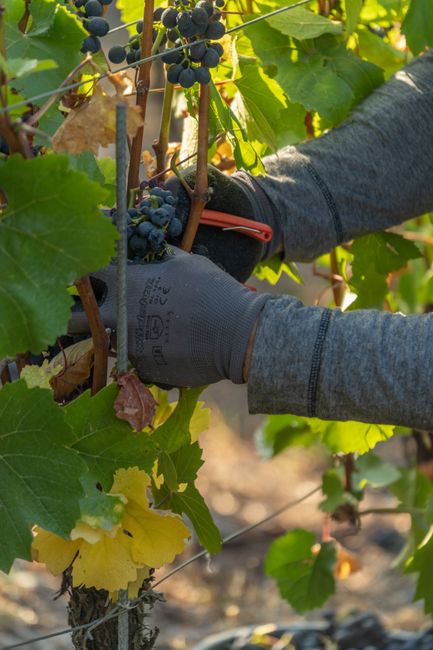
The Cost of Compromised Pruning: A Critical Vineyard Challenge
Vineyard managers understand that winter pruning is more than just shaping vines; it is a critical determinant of vine health and longevity. However, an improperly sequenced pruning operation can inadvertently become a primary vector for disease transmission, leading to significant financial repercussions. Failing to implement a disease-conscious pruning order can result in accelerated spread of trunk diseases, such as Eutypa dieback and Botryosphaeria dieback, leading to premature vine decline, reduced productive lifespan, and substantial yield losses. The cumulative cost includes not only diminished grape quality and quantity but also increased expenses for disease management treatments and, in severe cases, the costly replanting of entire vineyard blocks.
Strategic Pruning Order for Disease Mitigation
The core principle of disease-protective pruning is simple: minimize the transfer of fungal spores from infected vines to healthy ones. This requires a disciplined approach to block sequencing and tool hygiene.
Understanding Disease Pathways During Pruning
Fungal pathogens responsible for trunk diseases typically enter vines through fresh pruning wounds. Spores, often present on diseased wood or carried on pruning tools, can readily infect susceptible tissue. The timing of pruning, wound size, and the presence of inoculum are all critical factors influencing infection risk.
The Optimal Pruning Sequence: A Step-by-Step Guide
Implementing a strategic pruning order is paramount for experienced vineyard managers seeking to safeguard their investment.
-
Step 1: Prune Disease-Free Blocks First. Identify and prioritize blocks with confirmed low disease incidence, typically less than 1% visible symptoms. These blocks should be pruned with freshly cleaned and sterilized tools. This minimizes the risk of introducing pathogens to your healthiest vines.
-
Step 2: Address Blocks with Low-to-Moderate Incidence. Move to blocks exhibiting 1-5% visible disease incidence. Within these blocks, prune healthy vines first, systematically moving towards vines showing symptoms. Ensure rigorous tool sterilization protocols are in place for this stage.
-
Step 3: Tackle High-Incidence or Severely Infected Blocks Last. Designate blocks with greater than 5% visible disease incidence or known severe infections (e.g. identified Eutypa-infected zones) for the final pruning stage. Tools used in these blocks must be isolated and undergo immediate, thorough sterilization after each vine or before moving to a new row.
-
Step 4: Implement Strict Tool Sterilization Protocols. Effective tool sterilization is non-negotiable.
- Sterilization Agents: Utilize a 10% sodium hypochlorite (bleach) solution, 70% ethanol, or a quaternary ammonium compound solution.
- Frequency: In high-incidence blocks, sterilize tools after every vine. In low-to-moderate blocks, sterilize after every 5-10 vines or at the end of each row. For disease-free blocks, sterilization should occur at least between blocks.
- Application: Dip pruner blades for at least 30 seconds to ensure pathogen inactivation. Regularly replace sterilization solutions as they become diluted or contaminated.
- Safety: Always wear appropriate Personal Protective Equipment (PPE), including gloves and eye protection, when handling sterilization chemicals.
Practical Examples and Common Pitfalls
Example scenario (hypothetical): A vineyard manager has two blocks to prune: Block A (Sauvignon Blanc) with no observed trunk disease symptoms for the past three seasons, and Block B (Merlot) where Eutypa dieback has been identified in approximately 3% of vines. The correct approach dictates pruning Block A entirely first, ensuring tools are clean. When moving to Block B, the crew should prune all healthy Merlot vines before addressing any symptomatic vines. Tools must be sterilized after each symptomatic Merlot vine is pruned.
Common Mistakes and Consequences: A frequent error is pruning blocks randomly or starting with visibly diseased areas. This practice significantly increases the likelihood of spreading pathogens, leading to new infections in previously healthy vines. Another pitfall is insufficient tool sterilization frequency; merely wiping blades on clothing or using a diluted, spent solution provides negligible protection. The consequence is a rapid increase in disease pressure across the vineyard, necessitating more aggressive and costly chemical interventions later.
Post-Pruning Wound Protection
Beyond pruning order, timely wound protection is critical. Apply fungicidal wound protectants (e.g. products containing thiophanate-methyl, cyprodinil + fludioxonil, or biological agents such as Trichoderma species) to all pruning cuts, particularly those exceeding 1 cm in diameter. Application should occur within 24-48 hours of the cut to be most effective, as wound susceptibility decreases over time.
Implementing a Disease-Conscious Pruning Strategy
Proactive planning is essential for successful disease management during winter pruning.
Immediate Actions:
-
Conduct Pre-Pruning Disease Surveys: Systematically walk through each block to assess and map current disease incidence. Utilize tools like VinoBloc to log disease locations and severity, informing your pruning sequence.
-
Develop a Block-Specific Pruning Schedule: Based on survey data, create a detailed schedule outlining the order of blocks and specific protocols for each.
-
Procure Supplies: Ensure adequate stocks of sterilization agents, wound protectants, and appropriate PPE are available before pruning commences.
-
Train Pruning Crews: Conduct thorough training sessions on disease identification, the precise pruning order, tool sterilization techniques, and safety protocols.
Implementation Timeline:
Integrate these steps into your standard winter pruning operations, typically a phased approach over 2-4 weeks, ensuring disease surveys are completed before pruning begins.
Success Metrics:
Monitor the effectiveness of your strategy by tracking metrics such as a reduction in new disease symptom development in subsequent seasons (e.g. maintaining new Eutypa infections below an estimated 2%), a reduction in the spread or severity of trunk diseases, and an observable improvement in vine longevity and productivity across the vineyard.
VinoBloc Team
Vineyard Management Experts
Ready to Transform Your Vineyard Management?
See how VinoBloc can help you streamline block-level data and harvest decisions.