What is Bud Break? A Critical Phenological Stage for Vineyard Resilience
The Critical Challenge of Early Season Vulnerability
Vineyard managers frequently confront the significant challenge of early season frost damage, an event that can severely impact annual yields and fruit quality. The period immediately following bud break is exceptionally vulnerable, with potential crop losses estimated to range from 10% to 100% depending on severity and timing. Proactive monitoring and precise identification of bud break are not merely academic exercises; they are essential operational imperatives that directly influence the economic viability of a vintage. Failure to accurately track this phenological stage can result in delayed frost protection measures, leading to substantial financial setbacks through lost revenue and increased remediation costs.
What is Bud Break? A Precise Definition
Bud break, or budburst, marks the visible emergence of green tissue from dormant buds, signaling the end of dormancy and the beginning of the vine's annual growth cycle. This critical phenological event is primarily driven by accumulated heat units and is a key indicator for initiating various vineyard management practices.
Understanding E-L Stages
For experienced managers, bud break is precisely categorized using standardized phenological scales, such as the Modified Eichhorn-Lorenz (E-L) system.
| E-L Stage | Description | Critical Frost Temperature (Estimate) |
|---|---|---|
| E-L 1 | Dormant bud (wool visible) | Below -15°C (5°F) |
| E-L 2 | Swollen bud | Approx. -5°C (23°F) |
| E-L 3 | Bud break: Woolly bud tip visible | Approx. -3°C (27°F) |
| E-L 4 | Green tip: First leaf tips visible | Approx. -2°C (28°F) |
Key Environmental Triggers
Bud break is primarily driven by accumulated Growing Degree Days (GDD). For Vitis vinifera varieties, the onset of bud break typically occurs after accumulating 300-400 GDD (base 10°C or 50°F) from March 1st in the Northern Hemisphere. However, this is a general guideline, and specific varietals and regional climates exhibit considerable variation.
Proactive Monitoring and Risk Assessment
Accurate monitoring is paramount for timely intervention.
Implementing GDD Tracking
- Establish Baseline: Begin GDD accumulation tracking from a defined date (e.g. March 1st). Utilize local weather station data or on-site sensors (e.g. VinoBloc integrated systems) to calculate daily GDD.
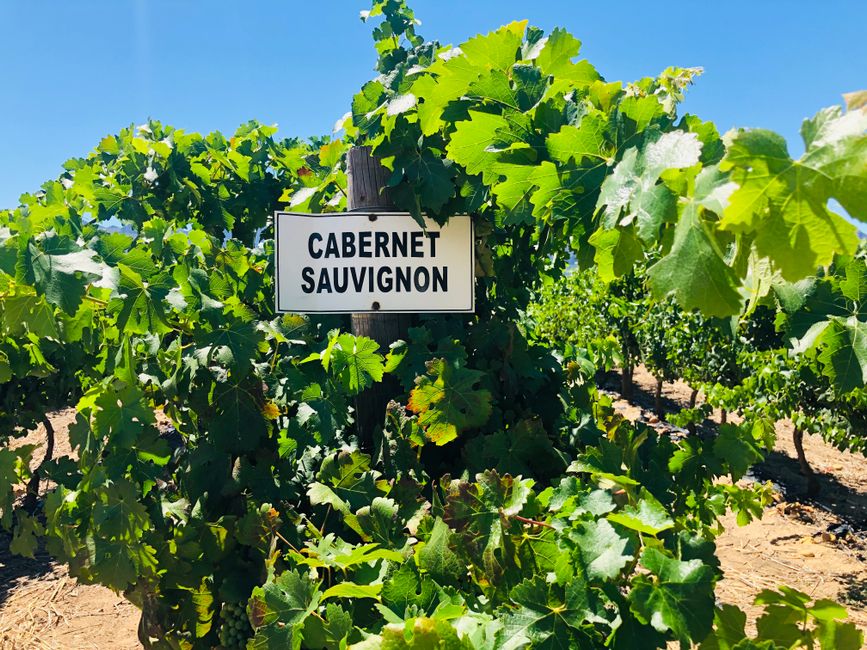
- Set Varietal Thresholds: Refer to historical data or viticultural guides for specific varietal GDD requirements. For instance, Chardonnay may break earlier than Cabernet Sauvignon.
- Forecast Integration: Incorporate 7-10 day GDD forecasts to anticipate the approximate timing of bud break, allowing for pre-emptive resource allocation for frost protection.
Visual Inspection Protocols
- Weekly Scouting: Beginning approximately 150-200 GDD into the season, initiate weekly visual inspections across all blocks, focusing on indicator varieties or blocks known for early bud break.
- Daily Close Monitoring: As GDD approaches the varietal-specific threshold (e.g. 250 GDD), shift to daily, targeted inspections of representative vines within each block. Examine 20-30 buds per block, focusing on nodes 3-6, which are often primary fruit-bearing positions.
- Documentation: Record the E-L stage observed, percentage of buds at each stage, and date. Digital platforms like VinoBloc can streamline this data collection and provide phenological mapping.
Example scenario: A vineyard in a cool climate typically sees Merlot bud break at 220 GDD. At 180 GDD, daily checks reveal 5% of buds at E-L 3. This triggers a Level 1 frost alert, initiating preparations for potential active protection.
Mitigating Spring Frost Risks
Once buds reach E-L 3 or E-L 4, they become highly susceptible to frost.
Active Protection Strategies
- Overhead Sprinklers: Apply water at a rate of 3-4 mm/hour (0.12-0.16 inches/hour) continuously once temperatures drop below 0°C (32°F), maintaining a thin ice layer to release latent heat. Cease application only after temperatures rise above freezing and ice has melted naturally. Safety consideration: Ensure proper drainage to prevent waterlogging.
- Wind Machines/Frost Fans: Activate when temperatures in the vineyard canopy approach the critical threshold (e.g. 1-2°C or 34-36°F) to mix warmer inversion layers with colder air near the ground. Operational range typically covers 4-8 hectares (10-20 acres) per machine.
- Heaters/Smudge Pots: Deploy 100-200 units per hectare (40-80 per acre) to raise ambient temperatures. This method is costly and labor-intensive but effective in severe cold.
Common Mistakes and Consequences
- Premature Cessation of Sprinklers: Turning off water too early can cause evaporative cooling, dropping temperatures further and leading to more severe damage.
- Inadequate Monitoring: Relying solely on general regional forecasts without block-specific temperature sensors can result in missed frost events or unnecessary protection costs.
- Delayed Action: Waiting until temperatures are already critical before activating protection significantly reduces efficacy, as it is harder to raise temperatures once they have fallen too low.
Example scenario: A vineyard manager observes E-L 4 on Cabernet Franc. A forecasted overnight low of -1°C (30.2°F) prompts the activation of frost fans at 1.5°C (34.7°F). Without this proactive measure, an estimated 40% primary bud damage could occur, impacting potential yield by 20-30%.
Actionable Next Steps for Vineyard Managers
To enhance preparedness and mitigate risks associated with bud break, implement these immediate actions:
- Review and Calibrate Sensors: Within the next week, ensure all weather stations, particularly temperature sensors in low-lying areas, are calibrated and fully operational. Integrate these sensors with your vineyard management software, such as VinoBloc, for real-time data access.
- Update Frost Protection Plan: Before the next 100 GDD accumulation, review and update the block-specific frost protection plan, including equipment readiness checks, fuel levels, and staff contact lists.
- Establish GDD Thresholds: By the end of this month, define precise GDD thresholds for initiating daily bud monitoring for each key varietal based on historical data.
- Train Monitoring Teams:
Implementation Timeline: Actions 1-3 within 2 weeks; Action 4 before GDD accumulation reaches 100 GDD.
Success Metrics: Reduced incidence of frost-related crop damage (aim for <5% primary bud damage in protected blocks), timely activation of frost protection measures (within 30 minutes of critical temperature thresholds), and consistent phenological data capture.
VinoBloc Team
Vineyard Management Experts
Ready to Transform Your Vineyard Management?
See how VinoBloc can help you streamline block-level data and harvest decisions.